Docker_Image_Security_Best_Practices_Download Original files from: snyk
Quick and easy way to setup an SMTP mail server using docker
docker run --restart unless-stopped --name mailhog -p 1025:1025 -p 8025:8025 -d mailhog/mailhog
We love Jenkins and we love Docker, so let’s get them working together.
We are assuming you already have Docker installed on your environment.
Here is the terminal command to use:
docker run -p 8080:8080 -p 50000:50000 -v /Jenkins/jenkins-master:/var/jenkins_home --name jenkins-master jenkins/jenkins:lts Let’s break it down:
Many of today’s website is designed around giving a good user experience. This comes at a cost of high-bandwidth. Not everyone in the world will have a good internet connection, how about when you are at sea on a ship or in a developing country such as India or Pakistan.
Here is a working example of a simple Docker file for a .NET Core 3.1 project
FROM mcr.microsoft.com/dotnet/core/sdk:3.1 AS build-env WORKDIR /app COPY project.csproj ./ RUN dotnet restore
COPY . ./ RUN dotnet publish -c Release -o out
FROM mcr.microsoft.com/dotnet/core/runtime:3.1
WORKDIR /app COPY –from=build-env /app/out .
ENTRYPOINT [“dotnet”, “project.dll”]
Build Build an image from the Dockerfile in the current directory and tag the image
docker build -t myimage -f Dockerfile . List all images that are locally stored with the Docker Engine
docker ps -a Delete an image from the local image store
What Are Containers? Containers are a form of operating system virtualization. A single container might be used to run anything from a small microservice or software process to a larger application. Inside a container are all the necessary executables, binary code, libraries, and configuration files. Compared to server or machine virtualization approaches, however, containers do not contain operating system images. This makes them more lightweight and portable, with significantly less overhead. In larger application deployments, multiple containers may be deployed as one or more container clusters. Such clusters might be managed by a container orchestrator such as Kubernetes.
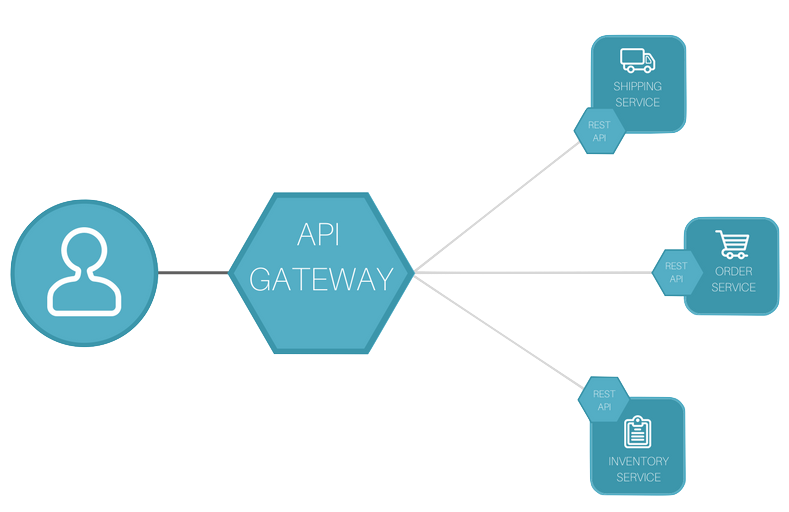
Working with a good technical architecture you’ll soon need to work with an API Gateway. There are many industrial solutions for large scale system giving full control and logging, such as Apigee or Software AG, but these, of course, cost a business
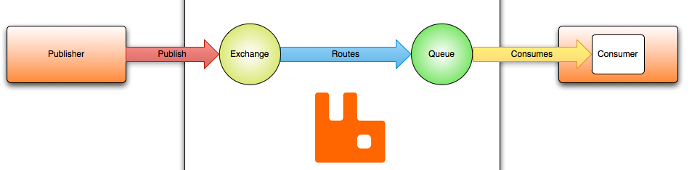
This article will show how to use an Event Bus using RabbitMQ using Work Queues that will be used to distribute time-consuming tasks among multiple workers.
Getting started with an Event Bus is fast and easy. This quick start guide uses RabbitMQ with .NET Core. RabbitMQ must be installed, instructions for installing RabbitMQ are included here.
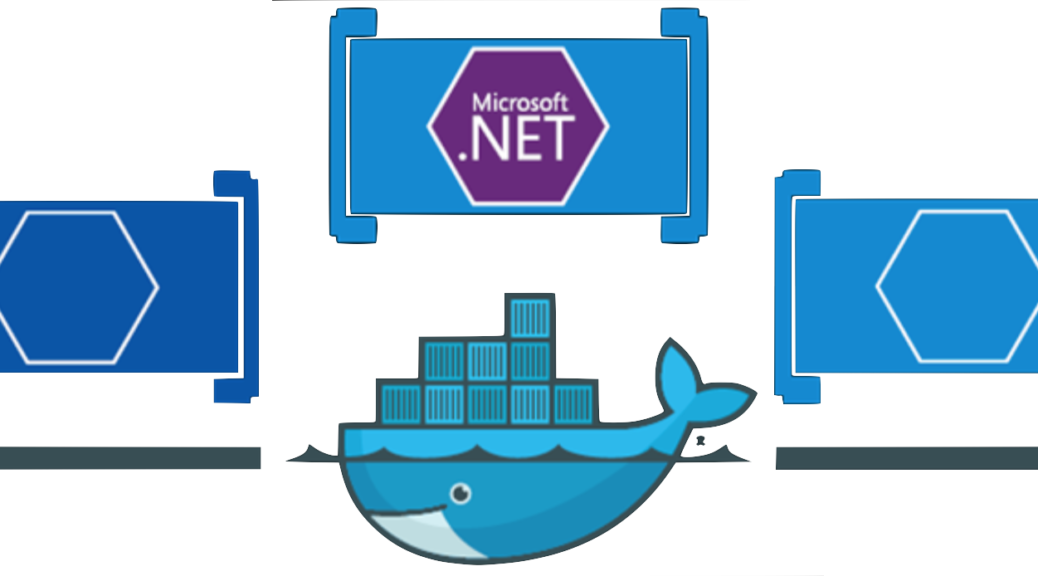
I came across this guide as it is an introduction to developing microservices-based applications and managing them using containers. It discusses architectural design and implementation approaches using .NET Core and Docker containers. To make it easier to get started with containers and microservices, the guide focuses on a reference containerized and microservice-based application that you can explore. The sample application is available at the eShopOnContainers GitHub repo.
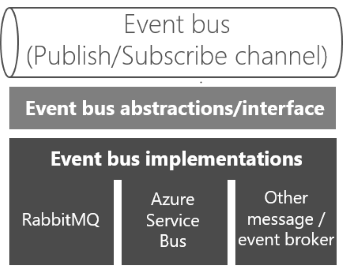
How do you achieve anonymity between publisher and subscriber? An easy way is to let a middleman take care of all the communication. An event bus is one such middleman.
An event bus is typically composed of two parts:
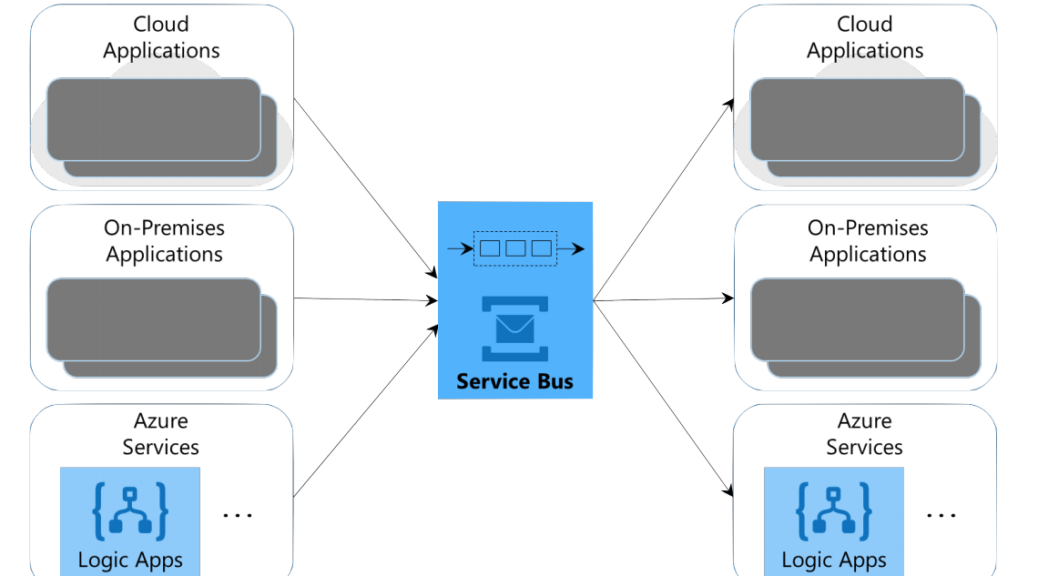
I’m going to take a high-level overview of the Microsoft Azure Service Bus. I’ll discuss briefly the four services that make up the Service Bus. The essence of application integration is software talking to other software. But how should this communication happen? Sometimes, a direct call via API Management is perfect. In other cases, though,
this synchronous style of communication won’t work. What if both applications aren’t available at the same time, for instance? For situations like this, an asynchronous approach is required.
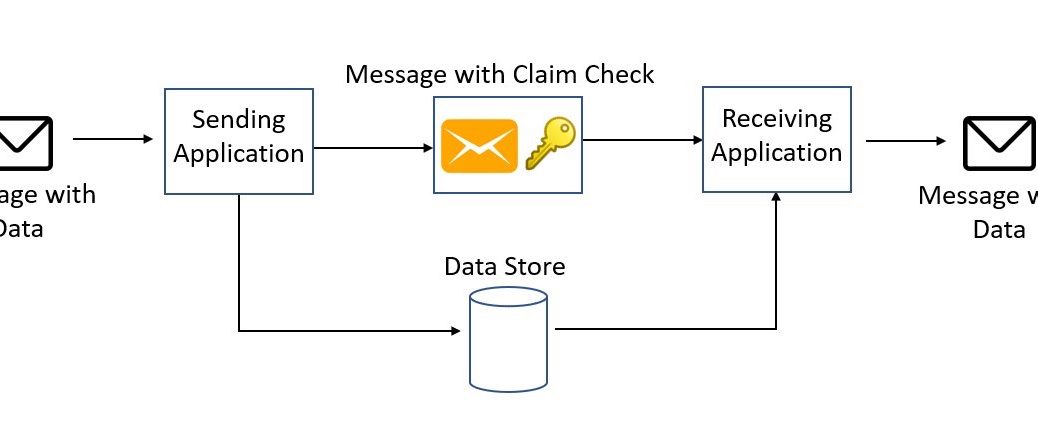
I’ve been using an Event Bus for some time now in the designs of a system, for reason of performance and scalability. There is also an issue with the message size. But it would be best if you were using the Event Bus as a messaging system, not a data transport mechanism.
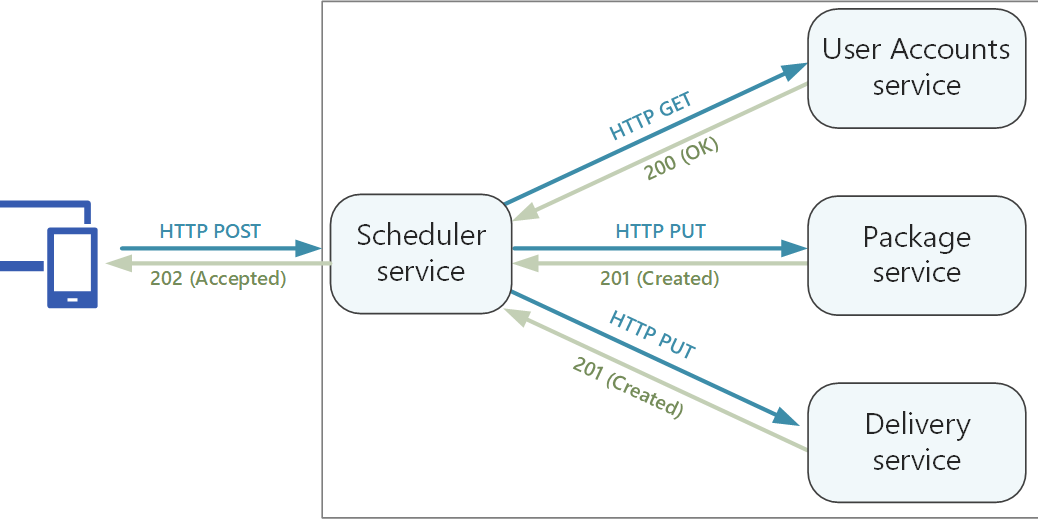
A good API design is important in a system architecture because all data exchange between services happens either through messages or API calls. APIs must be efficient to avoid creating chatty I/O. Because services are designed by teams working independently, APIs must have well-defined semantics and versioning schemes, so that updates don’t break other services.
Next-Generation Application Development The world of IT infrastructure has evolved dramatically since the days of relying solely on bare metal hardware to support application development. In the early 2000s, a company called VMWare broke the mould, giving rise to virtualization — using an abstraction that makes software (virtual machines) look and behave like hardware. The primary difference between virtualization and bare metal is the inherent benefit of using software to “virtualize” infrastructure. Virtualization offers increased flexibility, scalability, reliability, and often overall capability and performance, all while lowering capital and operational expenses.
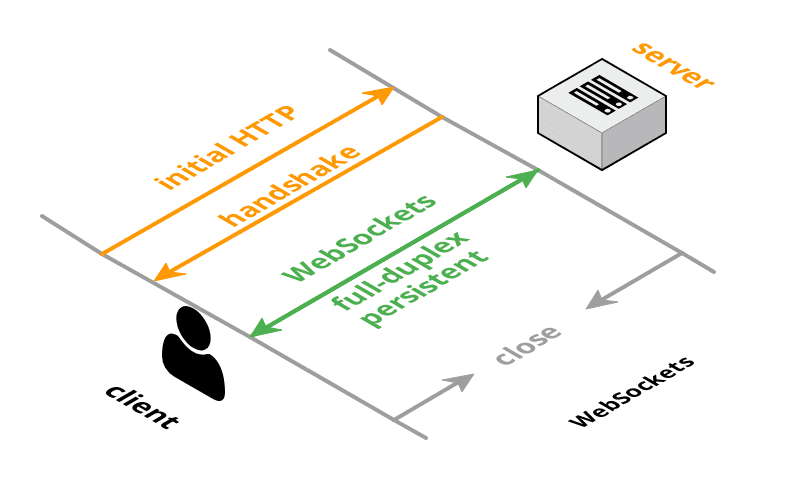
Places I have been working they have banded the use of WebSockets to pushing data to the end-user, or devices. I want to delve into the concept of WebSocket introduced in HTML 5, security issues around the WebSocket model, and the best practices that should be adopted to address security issues around WebSocket.
What are Push Notifications? A notification is a message that pops up on the user’s device. Notifications can be triggered locally by an open application, or they can be “pushed” from the server to the user even when the app is not running. They allow your users to opt-in to timely updates and allow you to effectively re-engage users with customised content.
In an event-driven architecture, when a service performs some piece of work that other services might be interested in, that service produces an event—a record of the completed action. Other services consume those events so that they can perform any of their tasks needed as a result of the event. Unlike with REST, services that create requests do not need to know the details of the services consuming the requests. Here’s a simple example: When an order is placed on an e-commerce site, a single “order placed” event is produced and then consumed by several microservices: