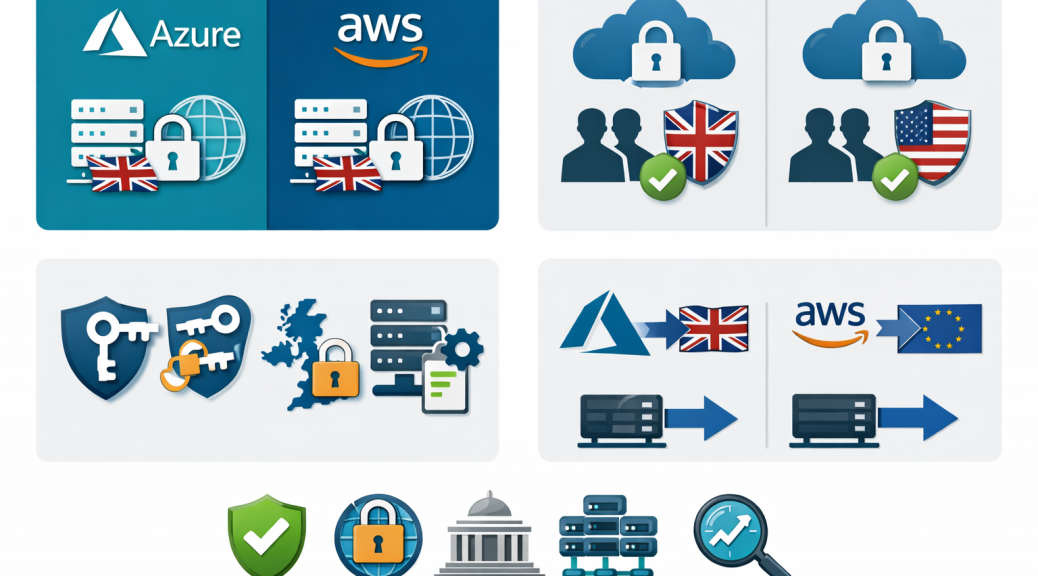
Cloud computing is now so normal that most organisations barely think twice about where their data lives. It sits in “the cloud”, it works, it’s secure, and everyone moves on. Yet behind the scenes, a quieter but increasingly important conversation is taking place in boardrooms, regulator meetings and procurement discussions. That conversation is about sovereignty.
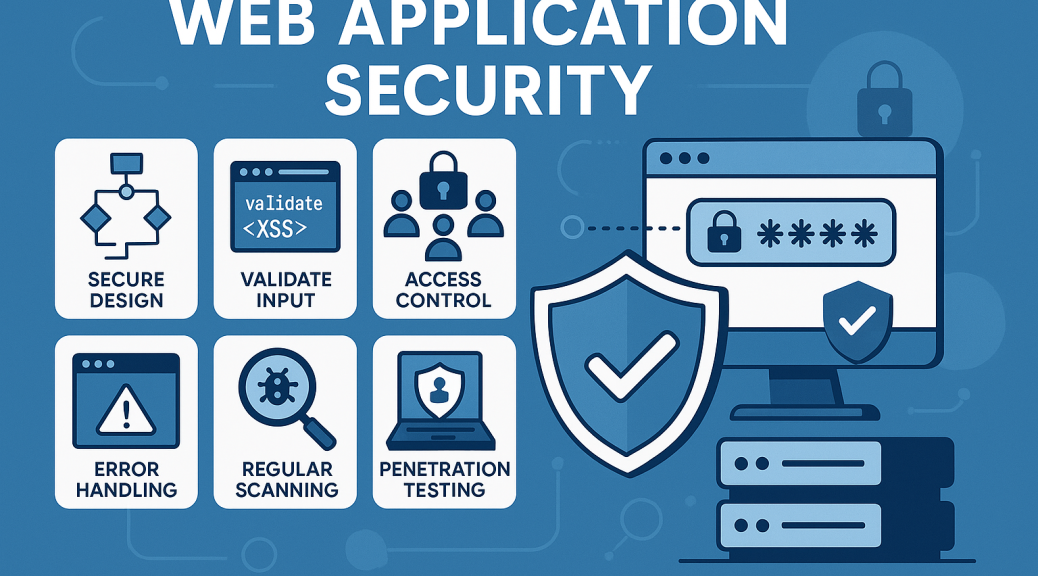
If your business runs a website, customer portal, booking system, online shop, or internal web-based tool, then web application security is not optional. Web applications are one of the most common entry points for cyber attacks because they are public-facing, interactive, and often connected to sensitive data.
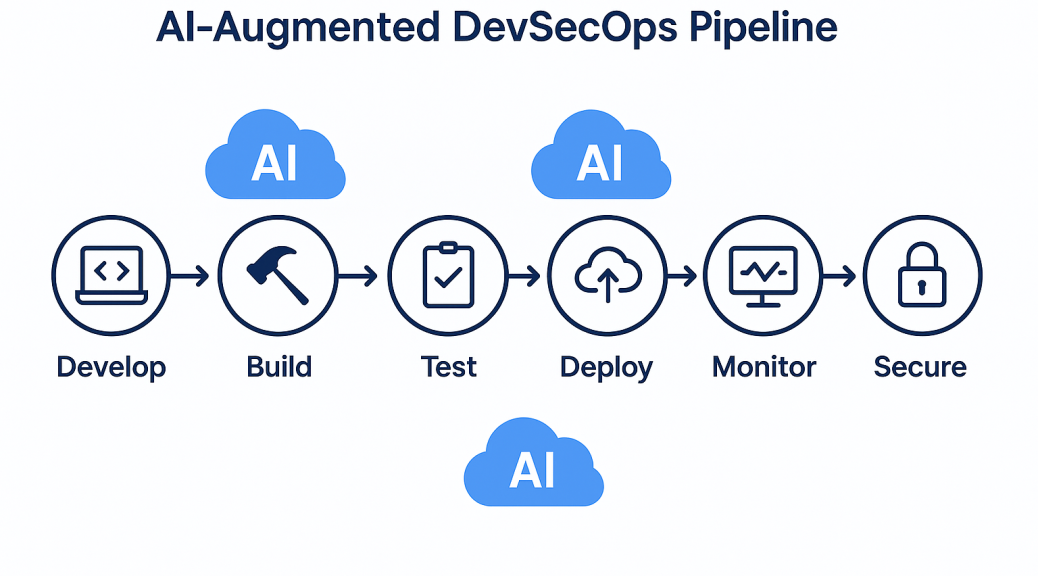
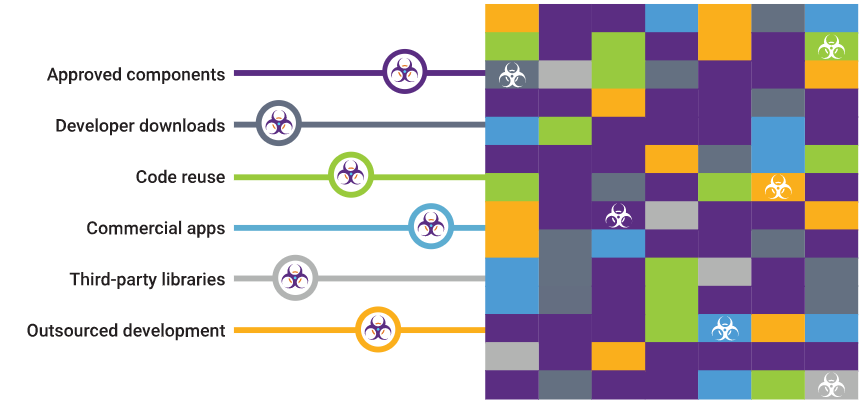
Introduction Software development has evolved rapidly, and with it, the need for robust security practices has never been greater. Across industries, organizations are embracing DevSecOps—a methodology that integrates security into every stage of the development lifecycle. This shift is essential because open-source adoption has skyrocketed, growing from just 36% of codebases in 2015 to 75% in 2020. While this trend accelerates innovation, it also introduces significant risks. High-profile breaches, such as the SolarWinds attack, have demonstrated how vulnerable the software supply chain can be when security is not prioritized.
Businesses of every size are now moving far beyond early AI experimentation. What began with simple copilots and isolated proof-of-concepts has quickly evolved into a landscape where organisations expect to operate dozens—and soon thousands—of AI agents across their departments. These agents will collaborate with one another, call internal and external systems, interpret complex contexts and support increasingly critical business processes. As this shift accelerates, one question becomes unavoidable: how do we allow AI to scale without losing control, breaching compliance, duplicating effort or suffocating innovation?
Artificial Intelligence has rapidly evolved beyond simple productivity tools and into highly capable research assistants. One of the most promising innovations in Microsoft’s Copilot ecosystem is the Researcher Agent—a specialised AI agent designed to perform complex research tasks across a range of data sources and systems.
As organisations embrace AI to modernise operations, the architectural lens must now extend beyond infrastructure and applications to include how software teams interact with their tools. Enhancing the developer experience (DevEx) is becoming a vital strategic pillar, not only for productivity, but also for architectural consistency, security, and scalability.
The modern software landscape is evolving fast, and .NET developers need tools that keep up. Whether you’re spinning up a new microservice, building clean RESTful APIs, or wrangling Entity Framework migrations, wouldn’t it be ideal to have an assistant who knows .NET inside out?
When building modern APIs that integrate with external systems, a common challenge is enabling efficient, scalable pagination — especially when the external system doesn’t support pagination natively. This post walks through a practical, production-ready solution using cursor-based pagination and Redis caching in a .NET Web API environment.
In my original Polly article, I introduced Polly as a robust resilience framework for handling transient faults and service failures. At the time, Polly was entirely community-driven and required manual configuration within each application. Fast forward five years, and Microsoft has officially embraced the concepts introduced by Polly, incorporating them directly into the .NET framework with a suite of first-party resilience libraries.
Artificial Intelligence (AI) is no longer the stuff of science fiction. From automating emails to analysing business trends, AI agents are already helping organisations save time, reduce costs, and make better decisions. But with great power comes great responsibility—and that’s where governance comes into play.
In the ever-evolving landscape of e-commerce, integrating intelligent systems has become not just an advantage but a necessity. This is where OpenAI comes into play within a microservices architecture. Let’s delve into a system blueprint and see how OpenAI enriches the e-commerce ecosystem.
Are you ever hesitant to test new software or visit unfamiliar websites due to concerns about potential harm to your computer? Microsoft has your back with Windows 11 Sandbox, a feature that allows you to create a secure and isolated virtual environment for experimenting with software and browsing the web without putting your primary system at risk. In this blog post, we’ll dive into what Windows 11 Sandbox is and how you can access and use it on your Windows 11 Pro, Enterprise, or Education edition.
Have you ever wanted to write a story but felt stuck or uninspired? Or maybe you have a great idea but don’t have the time or skills to turn it into a captivating narrative. If so, you might be interested in Tomb AI, a new online platform that uses artificial intelligence (AI) to help you create stories from scratch.
This post shows how each provider measures up and helps you select the correct Software Composition Analysis for your needs.
Fact: Software Composition Analysis (SCA) protects the software supply chain. In a report by Forrester[1] and Gartner[2], they explore how industry providers measure up, which will assist you in selecting the right one for your needs. It’s a valuable assessment of top suppliers in today’s market. Details below are an extract of this report with additional information which applies to our environment.
Here is a list of Security Policies and Guidelines from Microsoft
For V01: https://learn.microsoft.com/en-us/azure/storage/blobs/security-recommendations#:~:text=Require%20secure%20transfer%20(HTTPS)%20to%20the%20storage%20account
For V02: https://learn.microsoft.com/en-us/azure/app-service/security-recommendations#:~:text=Use%20static%20IP%20restrictions
For V03: No Microsoft recommendation applies here
For V04: https://learn.microsoft.com/en-us/security/benchmark/azure/baselines/service-bus-security-baseline#dp-3-encrypt-sensitive-data-in-transit
For V05: https://learn.microsoft.com/en-us/azure/network-watcher/network-watcher-nsg-flow-logging-overview#best-practices
For V06: https://learn.microsoft.com/en-us/azure/network-watcher/network-watcher-nsg-flow-logging-overview#best-practices
For V07: https://learn.microsoft.com/en-us/azure/storage/blobs/security-recommendations#networking:~:text=Enable%20firewall%20rules and https://learn.microsoft.com/en-us/azure/key-vault/general/best-practices#:~:text=Turn%20on%20firewall%20and%20virtual%20network%20service%20endpoints.
For V08: https://learn.microsoft.com/en-us/azure/storage/blobs/security-recommendations#:~:text=Turn%20on%20soft%20delete%20for%20blobs
Sensitive information can be protected from misuse through Encryption, Pseudonymization and Anonymization controls, converting plain text to an unusable format.
Only authorized users with the proper key/source should be able to see sensitive data (or in the case of Anonymization, not at all). Each of these methods work differently, as summarized below.
Overview Businesses should believe that every team is in the business of creating great customer experiences.
To achieve that, the application must do more than just provide control, reporting and audibility. The business needs to tap into data signals from across its business and use them to drive ongoing improvements in the products, services, and experiences they intend to deliver to its customers.
With Microsoft now owning GitHub, the technical teams have been integrated, resulting in Azure DevOps and GitHub having the same leadership and personnel. The long-term strategic direction will be GitHub, but there is no plan for Azure DevOps to go into maintenance/sunset; therefore, choosing Azure DevOps is entirely OK in short to (undefined) medium term. Azure DevOps is currently in the early stages of development. When migration tools are needed, Microsoft will give them.