Some differences between ASMX and WCF services are subtle and some differences between them are not subtle. The purpose of this section is to identify many of these differences and to provide guidance for how to handle them when preparing for, or when performing, migration. ASMX provides a very successful baseline for services, and WCF extends those capabilities for the next generation of services.
Attributes are advantageous in C# to provide none business-related functionality in an application or to abstract out the code to make it easier to follow.
The issue is when does the attribute code get called and how do you force it to run?
A quick list for GDPR Compliance
Do you have a contact form? Make sure you add a checkbox explicitly asking the user for the form if they consent to you storing and using their personal information to get back in touch with them. The box must be unchecked by default. Also, mention if you will send or share the data with any 3rd-parties and which.
On 25th May 2018, the GDPR (General Data Protection Regulation) enacted by the EU will come into effect.
How do you make your website GDPR compliant? What are the steps that you must take to ensure that you follow the guidelines? What if you neglect this? This article will help you in your endeavour to be ready when the regulation kicks in.
Entity Framework is always a pain the back side when it comes to managing multiple database and know what to do if things get out of sync, an article by Anders Abel clearly lays out what need to be done and what can be used to sort out any sync problems, here is a snip from his article:
Data privacy and data security have become one of the most prominent topics in organizations in almost every industry across the globe. New regulations are emerging that formalize requirements around these topics, and compel organizations to comply.
Let’s start with a simple JSON string. In most cases, you will get this string from a web service call. For the sake of this tutorial, we will do this manually.
var example1 = @"{""name"":""John Doe"",""age"":20}"; example1 is a simple JSON object with 2 fields: name and age.
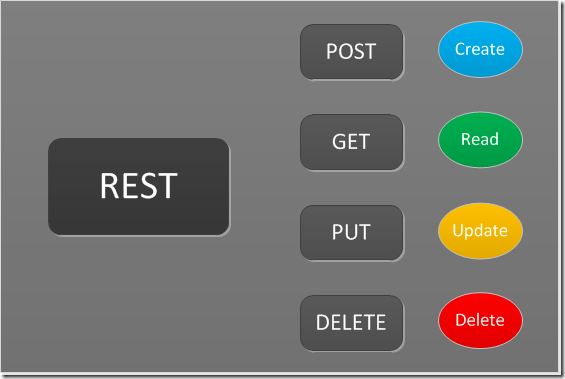
I was asked a question today about what was the difference between POST and PUT when referring to HTTP.
There seems to be some confusion over what people understand it to be; it is quite simple, just to avoid any confusion here is the RFC itself explains the core difference:
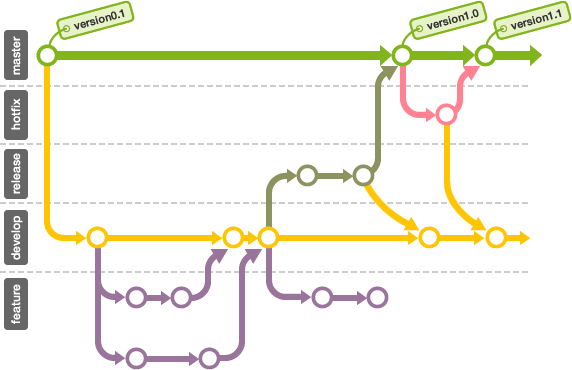
Source control packages always have been a bit of a pain when you first start using them. You may know the principles of source control. Each environment has its own way and definitions and its own processes. Once you are used to using a source control system and the steps you follow it is easy. I call this the Source Control shuffle.
The following is a symmetric encryption/decryption routine using AES in GCM mode. This code operates in the application layer and is meant to receive user-specific and confidential information and encrypt it, after which it is stored in a separate database server. It also is called upon to decrypt encrypted information from the database.
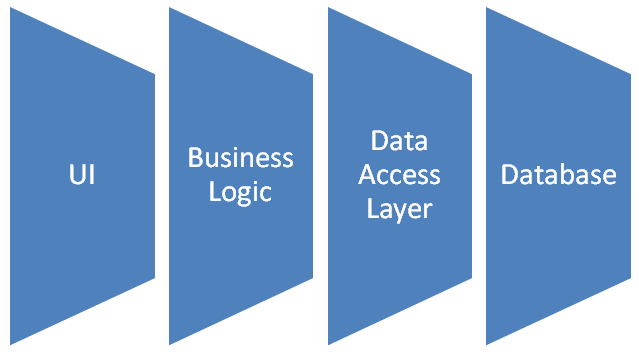
The DatabaseLayer is an abstraction for database access which means the calling application or library does not need to be tight-coupled to the database itself. A set of factory methods is available to call in order to create commands and parameters, all based on the .NET abstract base classes.
This is how, within your organisation, you can protect the data, especially in a cloud-first, multi-tenant world. The source will provide you with the concepts around encrypting enterprise data, look at what you should encrypt, and cover robust patterns and practices you can follow in your organisation.
To get a level of how many data breaches are happening Breach Level Index provides this information, along with many other statistics
http://breachlevelindex.com/
Need to check if you have an email account that has been compromised in a data breach when check out Have I Been Pwned to check if you have been compromised and also Signup to get email notifications
Over the past week, I spent some time automating Azure App Service infrastructure with Azure Resource Manager (ARM) templates. I discovered a few tips and tricks along the way that I’ll describe in detail below…
I did some quick research on the SQL Server Firewall “Allow Access to Azure Services” option in Azure today.
And I sorry to say that my fears were right, that by setting this option does pose a significant security risk and leaves the SQL Server vulnerable.
After writing about SecureStrings, you soon come to realise that holding the secret information you are going to have to make some comparisons at some point. For example, if you need to check a password.
When comparing two MACs or hashes (also password hashes) for equality you would first think a simple comparison would be okay? Think again as they are susceptible to timing attacks.
In cryptography, a timing attack is a side channel attack in which the attacker attempts to compromise a cryptosystem by analysing the time taken to execute cryptographic algorithms.
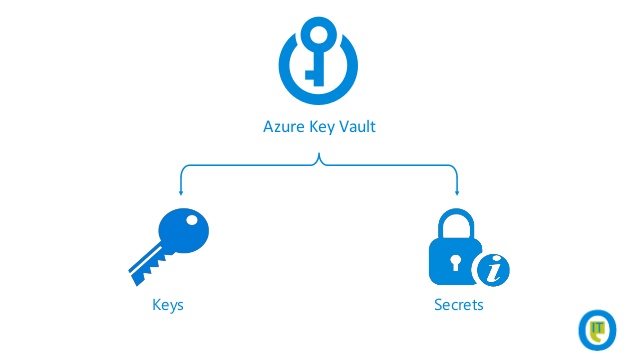
Setting up Azure Key Vault for use within a .NET application is not an easy process, as it is a secure environment and security is required to gain access, which involved the Active Directly Application registrations and Access Policies.